
What Site Preparation Services Include
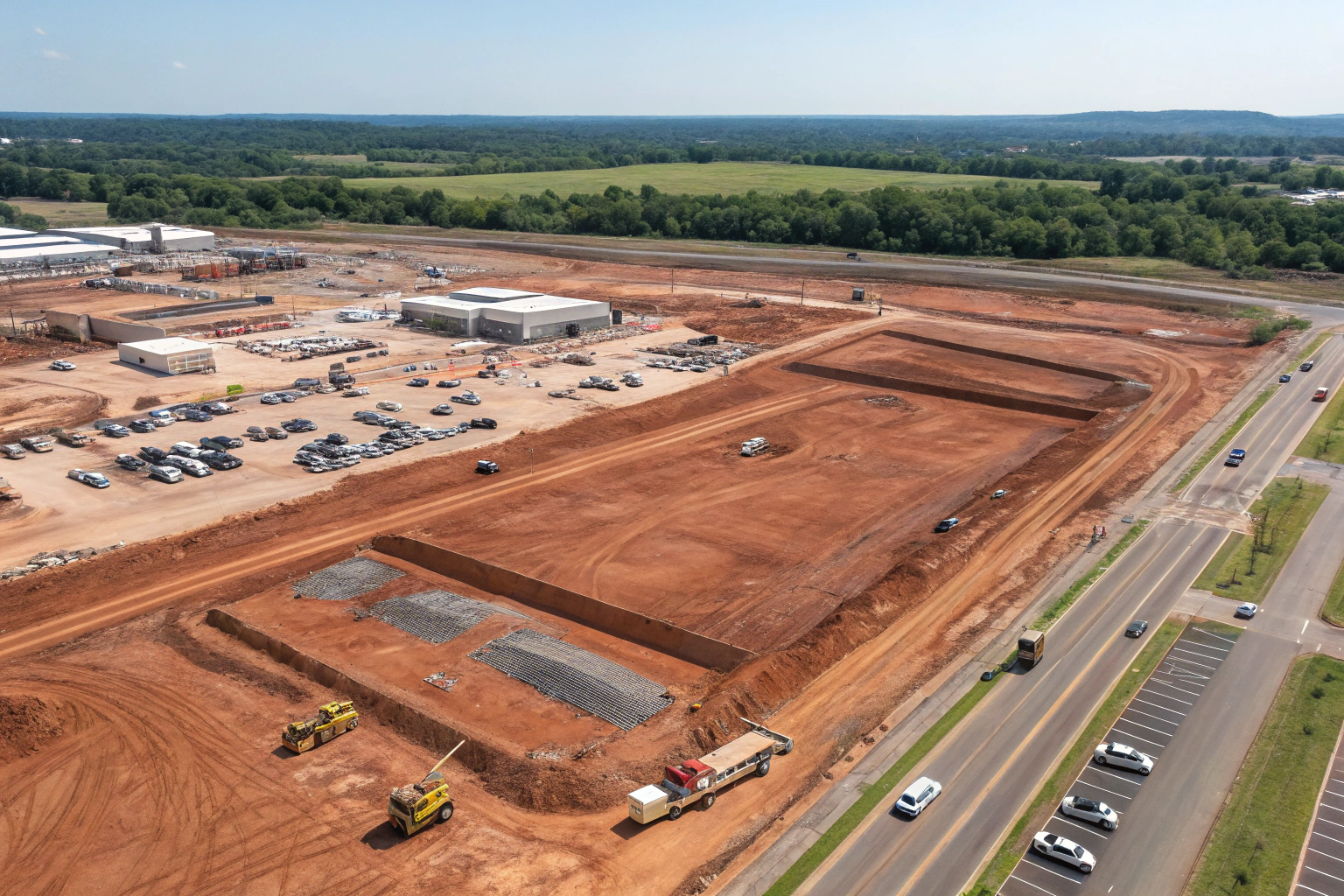
We handle every stage of getting your Ipswich site ready for construction. Our site preparation services start with complete vegetation clearing and removal of any existing structures or debris that’s in the way. We strip topsoil and stockpile it for later use if you need it. Excavation work removes unsuitable material and gets your site down to the levels required for your project. We bring in engineered fill when needed and compact it in proper layers to achieve the density engineers specify.
Our team shapes drainage falls to direct water away from buildings and prevent pooling. We create access tracks for concrete trucks and construction equipment. Laser levelling gives you the accurate grades and falls your project requires. Final compaction testing confirms your site meets specifications before construction starts. From small residential blocks to large commercial sites, we prepare your ground properly so your concrete work and constructionsits on stable, build-ready surfaces.

Site Grading and Levelling Requirements
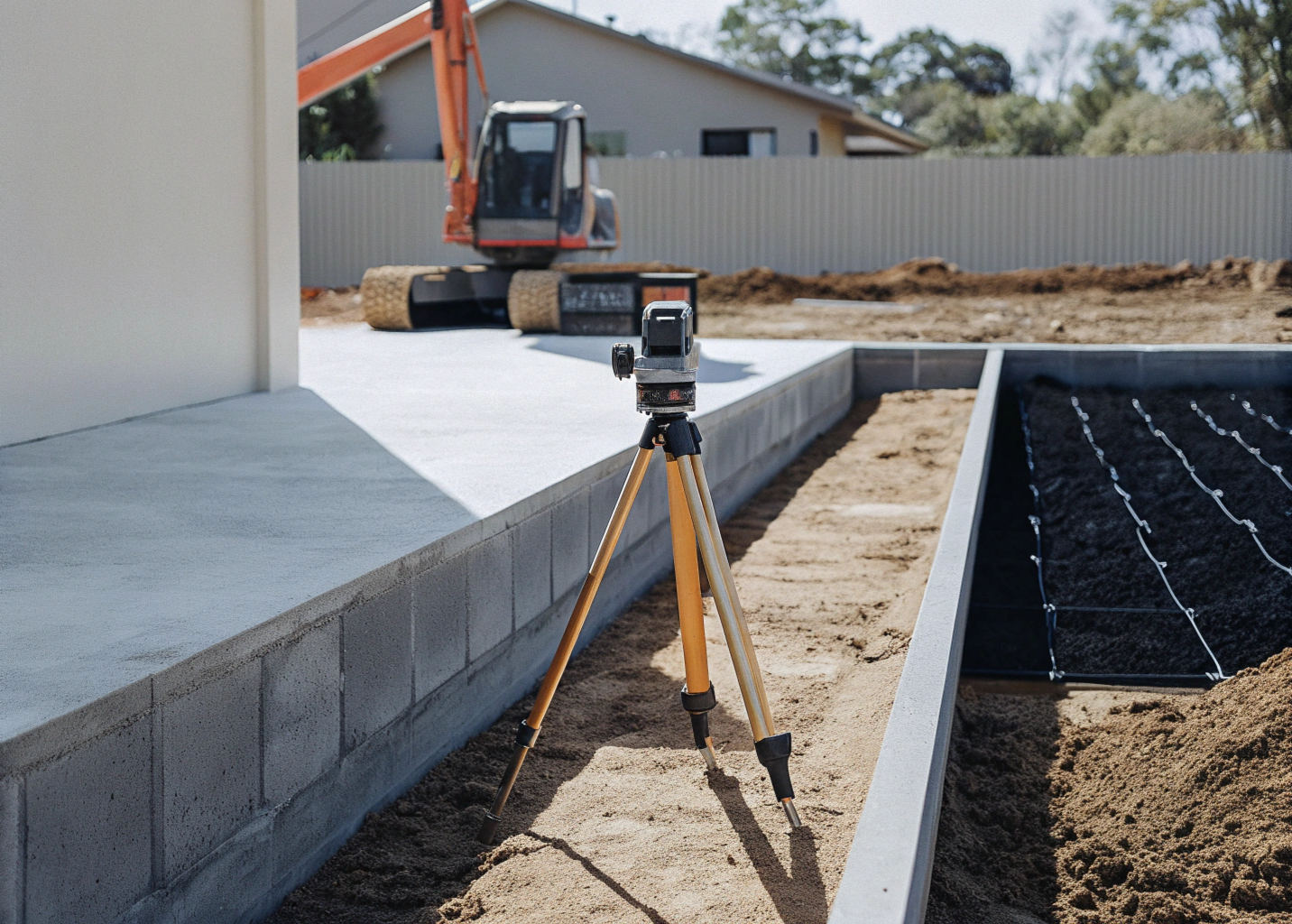
Site grading creates the proper slopes and levels your construction project needs. We use laser levelling equipment to achieve accuracy within millimetres across your entire site. Your house slab requires precise levels to meet building codes and prevent drainage problems. Driveways need specific falls to direct water away from garages and homes. Even small variations in levels can cause major issues once concrete is poured.
Our grading work shapes your site to match engineering plans and council requirements. We create positive drainage away from buildings and prevent water pooling in low spots. For sloped blocks in Ipswich suburbs, we cut and fill to create usable building platforms. Our laser levels confirm every section meets the grades specified before we compact. When your site inspection happens, the levels are right where they need to be.
Compaction and Base Preparation
Proper compaction prevents settlement that causes concrete cracking and structural problems. We compact your site in layers, never trying to compact thick fills all at once. Each layer gets compacted to the density your engineer specifies before the next layer goes down. Our equipment includes plate compactors for tight areas and large vibratory rollers for bigger sites.
Our compaction process includes:
- Testing the moisture content before compacting
- Achieving 95-98% compaction density as specified
- Using appropriate base materials for Ipswich conditions
- Layer thickness controlled for proper compaction
- Proof rolling to identify soft spots
- Compaction testing by certified technicians when required
Base material selection matters for Ipswich reactive clay soils. We use crushed rock, road base, or sand depending on your project requirements and engineering specifications. The right base materials combined with proper compaction give you stable surfaces that won’t move under your concrete or building loads.
Site Preparation for Sloped Blocks
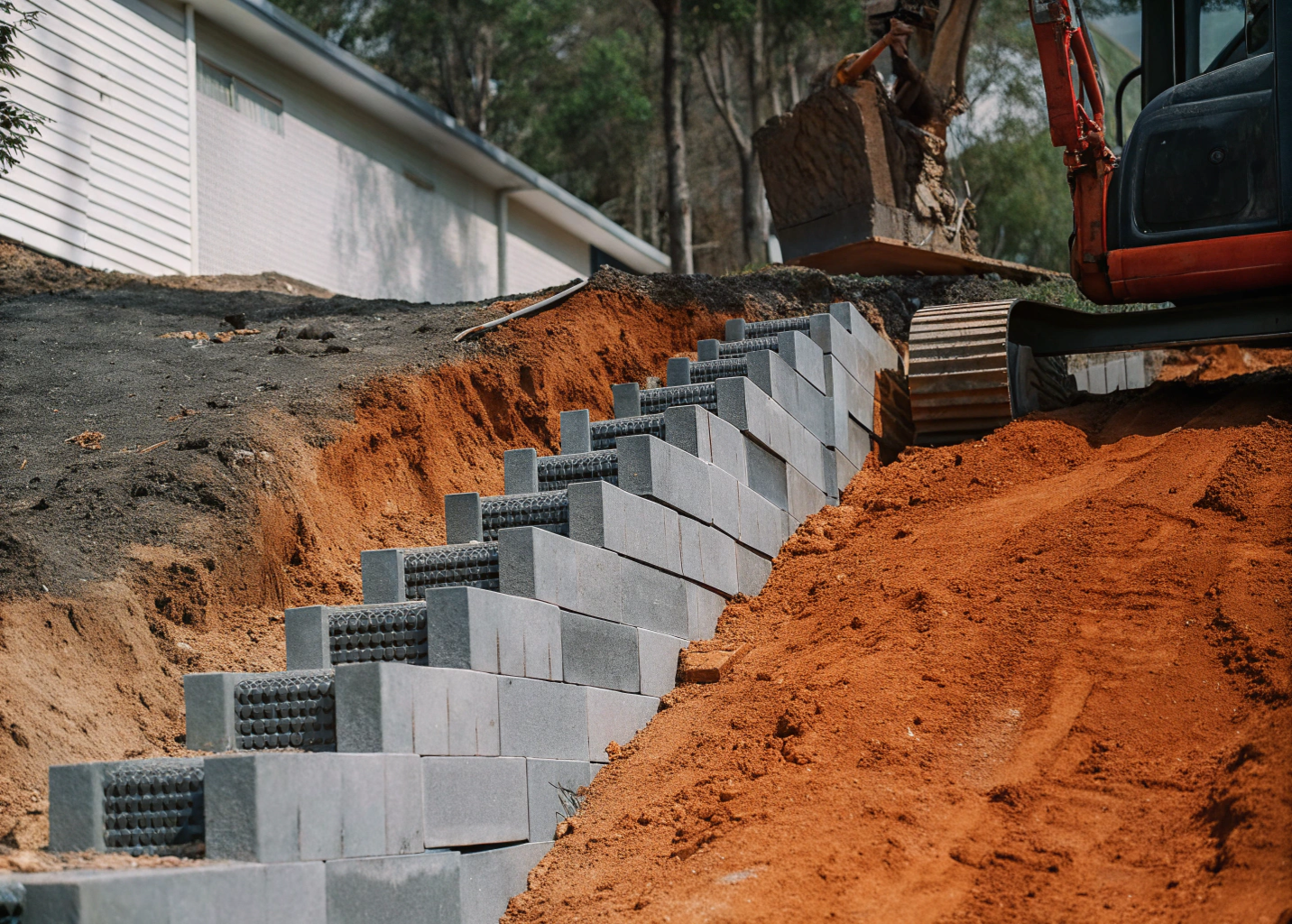
Sloped blocks in Ipswich suburbs require specialised preparation to create level building platforms. We cut into the high side and use that material to fill the low side, creating usable flat areas for your home or driveway. Retaining walls often become necessary to hold back the earth and prevent erosion. Our excavation work accounts for these retaining structures in the site preparation.
Drainage becomes critical on sloped sites where water flows downhill toward your building. We shape the ground to direct runoff away from structures and prevent erosion during Ipswich’s heavy rain events. Access tracks get carved into slopes so concrete trucks and construction equipment can reach your site safely. For steep blocks, we create multiple-level platforms as required. Our site preparation on sloped blocks transforms challenging terrain into stable, build-ready areas that work with the natural contours.
Drainage Preparation for Ipswich Weather
Ipswich weather throws heavy rainfall at properties throughout the year, and poor drainage preparation causes expensive problems. We shape drainage falls during site preparation to direct water away from buildings and prevent pooling on concrete surfaces. Your site needs positive drainage before any construction starts, not as an afterthought when water problems appear.
Our drainage preparation includes shaping the ground to move storm water toward street drainage or appropriate discharge points. We create swales and channels where needed to handle Ipswich’s intense rain events. House sites get graded so water flows away from the slab in all directions. Driveway preparation includes adequate falls to prevent water from sitting on finished concrete.
For blocks with poor natural drainage, we work with your site conditions to create effective water management solutions. Low spots get filled and graded properly. Our preparation work accounts for where water will go during heavy rain, protecting your investment from water damage before construction even begins.
Managing Ipswich Reactive Clay Soils
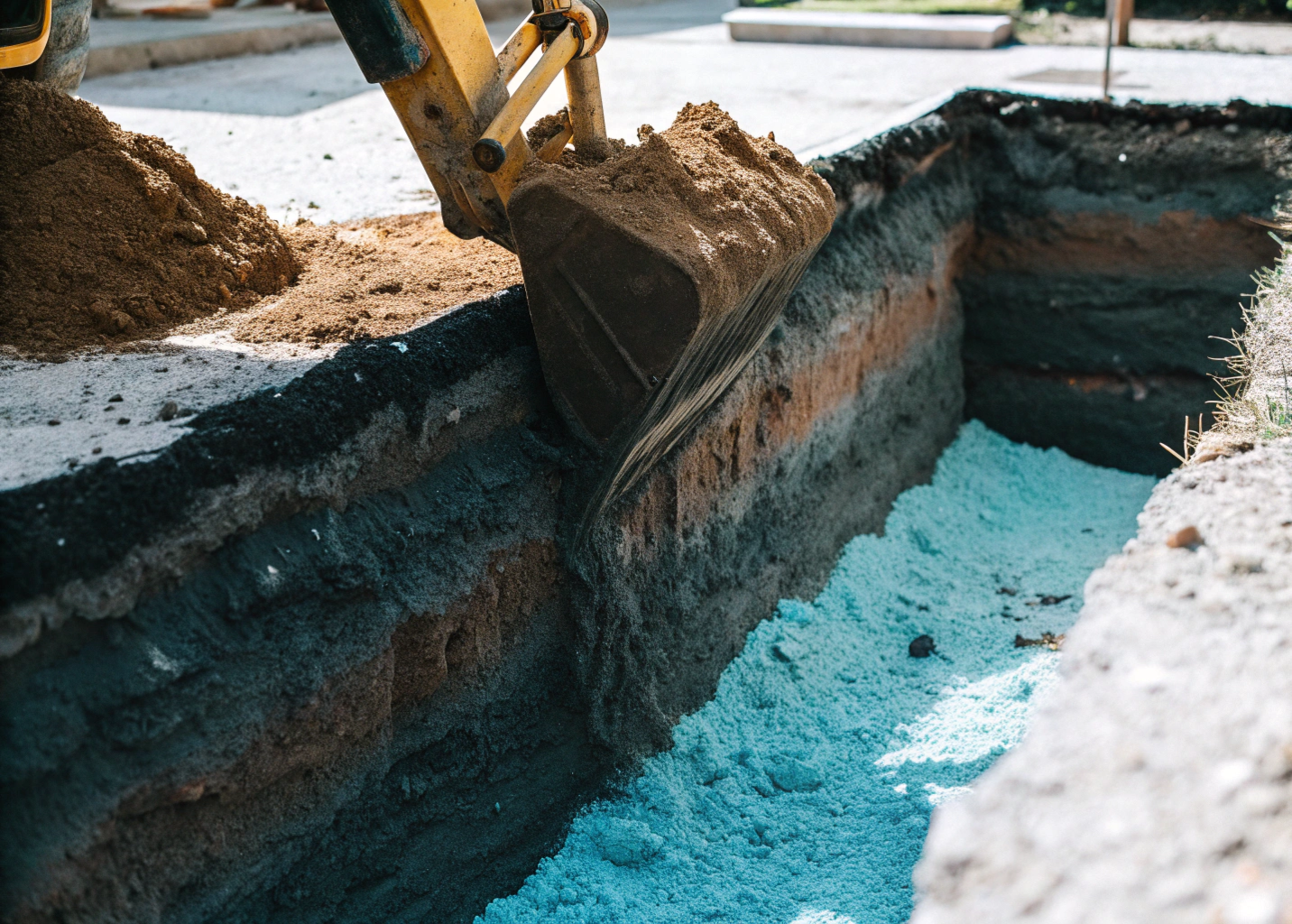
Reactive clay soils throughout Ipswich expand when wet and shrink when dry, causing movement that cracks concrete and damages structures. We manage these challenging soils by removing unsuitable clay during excavation and replacing it with stable base materials. Our site preparation accounts for the soil conditions specific to your Ipswich location.
Different suburbs have different clay reactivity levels, and we adjust our preparation methods accordingly. We excavate to depths that get below the reactive zone as engineers specify. Moisture control during preparation prevents the clay underneath from swelling or shrinking. We bring in non-reactive materials like crushed rock or sand that compact properly and don’t move with moisture changes.
For areas where clay can’t be completely removed, we use techniques that minimise its impact on your structure. Our experience with Ipswich soils means we prepare sites that account for local ground conditions, giving your concrete work a stable base.
Frequently Asked Questions
We use excavators for digging and moving earth, bobcats for detailed work in tight spaces, vibratory rollers and plate compactors for achieving proper compaction, and laser leveling equipment for accurate grades. Equipment selection depends on your specific site requirements and access.
Engineers typically require soil tests for house slabs and larger structures to determine bearing capacity and compaction requirements. The geotechnical report guides our excavation depths, base materials, and compaction specifications. We work to these engineering recommendations for your site preparation.
Yes, we specialise in sloped block preparation throughout Ipswich suburbs. We cut and fill to create level building platforms, prepare for retaining walls, shape drainage paths, and create safe access tracks. Our equipment handles steep terrain and challenging site conditions effectively.
Excavation depth depends on your engineer’s specifications and soil conditions. House slabs typically require 300-600mm of excavation below finished floor level. Driveways might need 150-300mm. Reactive clay areas often require deeper excavation to reach stable ground or remove unsuitable material completely.
Yes, proper site preparation creates positive drainage away from buildings and prevents water pooling. We shape falls, create drainage paths, and grade your site to handle Ipswich rainfall. Existing drainage problems get addressed during the preparation process before construction starts.
Get Your Ipswich Site Prepared Properly
We’re ready to prepare your Ipswich site for construction. Our team handles complete site preparation from clearing through to final compaction, managing reactive clay soils and creating stable, build-ready surfaces. Whether you’re building a new home, adding a driveway, or starting a commercial project, we set your site up for success. Contact us for site preparation services throughout Ipswich, Springfield, Redbank Plains, Booval, and Bundamba. Let’s get your block ready for construction.
