
Garage Slabs Built for Every Type of Structure
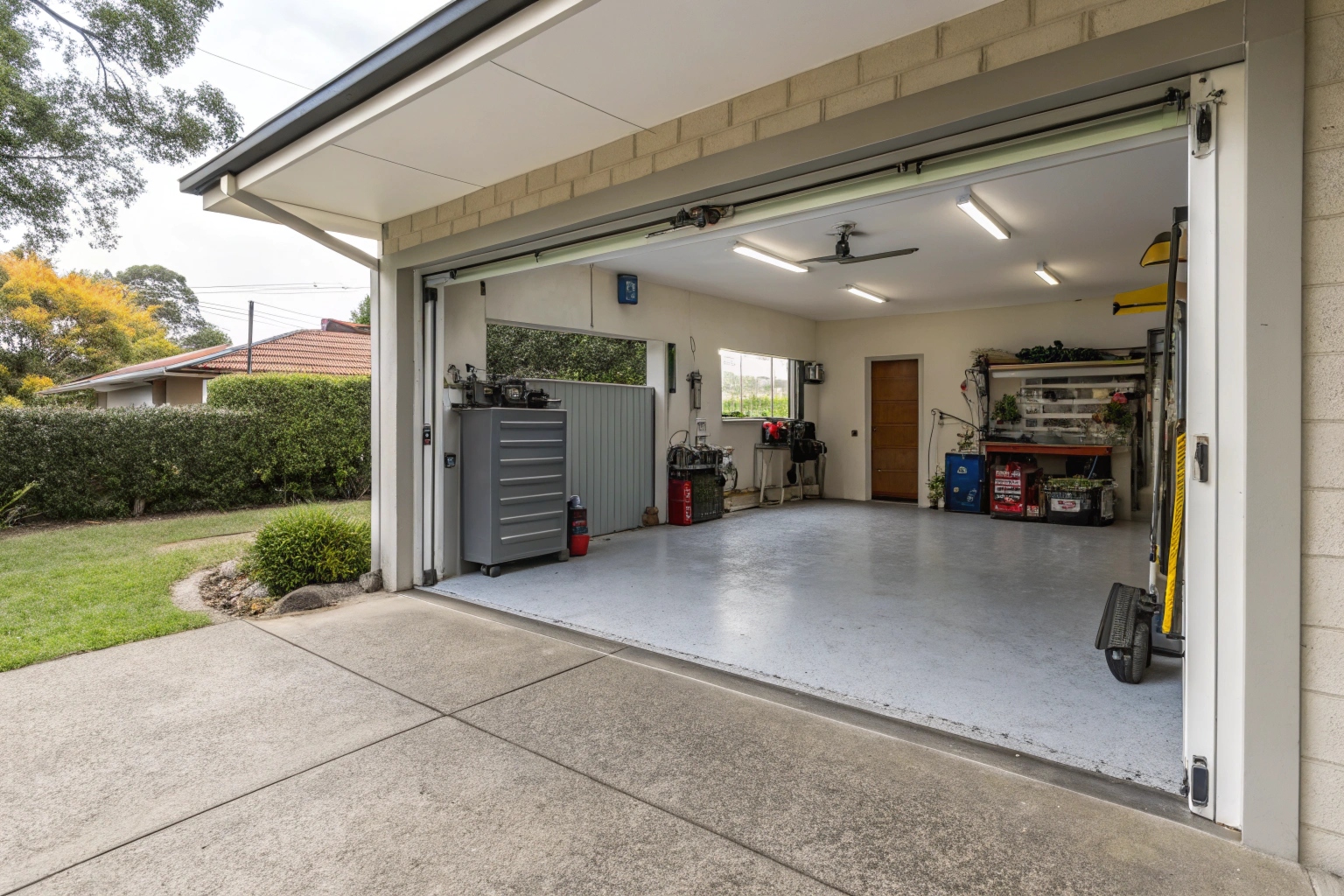
Not all garages are the same, and that means not all garage slabs need to be built the same way either. A single car garage for your daily runabout has different requirements than a double garage housing two 4WDs, and a workshop garage where you’ll be working on machinery needs even more thought put into it.
We pour slabs for all types of garage structures across Ipswich:
Single and Double Garages Your standard single or double garage slab needs to be dead level, properly reinforced, and thick enough to handle daily vehicle traffic without cracking. Most blokes think any old 100mm slab will do, but that’s where problems start down the track.
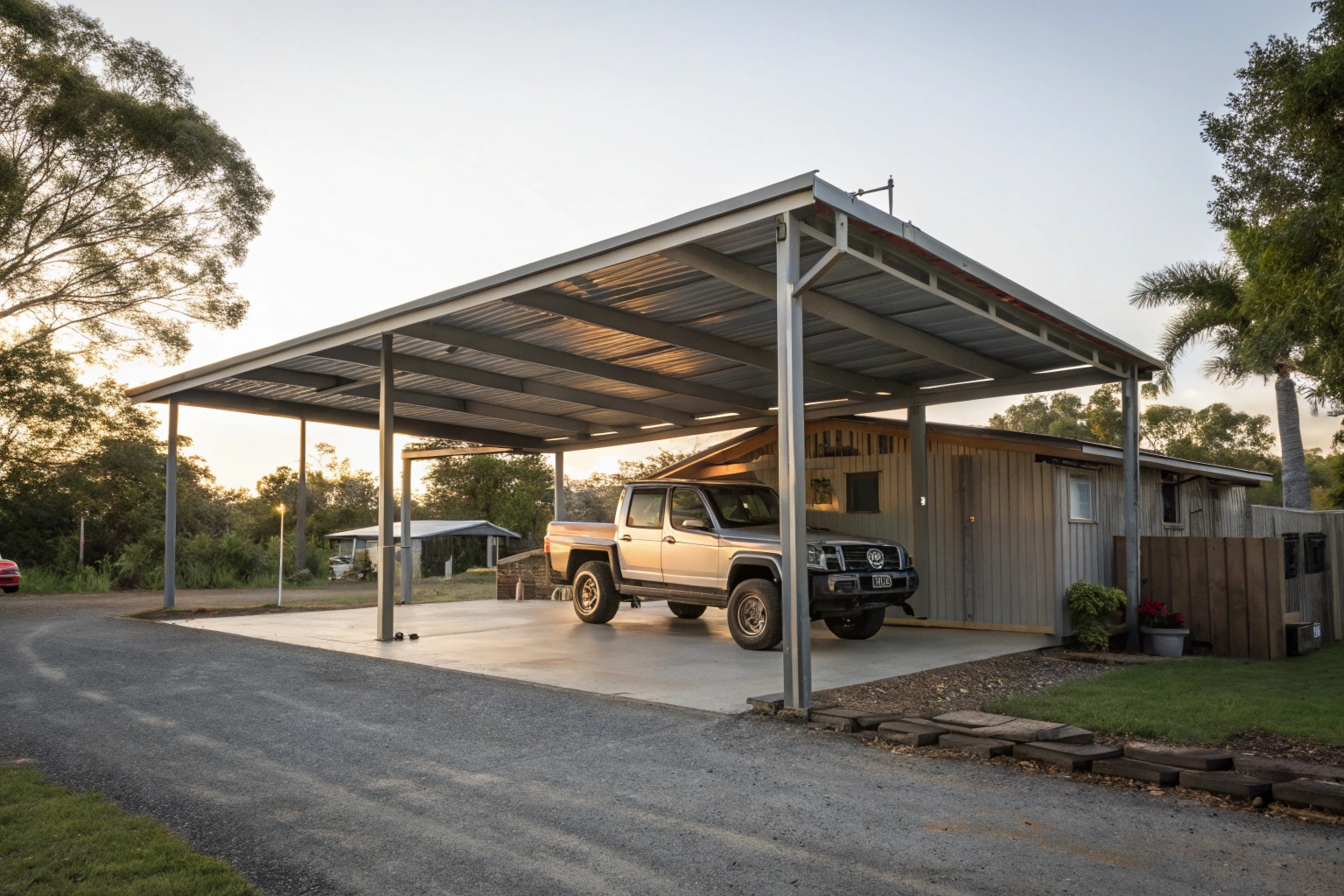
Carports and Covered Parking Carport slabs often connect to your driveway, so the transition needs to be smooth and properly planned. We make sure water drains away from the structure, not towards your house or pooling under your vehicles.
Detached Garages and Workshops These need extra planning because they’re separate from your house. We’ll coordinate with your garage kit supplier to get anchor bolt positions right, and if you’re planning on installing a hoist or working with heavy machinery, we’ll beef up the slab accordingly.
RV and Boat Storage Got a caravan, boat, or trailer you need to store? These are heavier than regular cars and need a thicker slab with extra reinforcement. We’ve poured plenty of these around Ipswich for people who need proper storage for their recreational gear.
The key is getting the foundation right from the start, because you can’t really fix a garage slab that’s too thin or poorly reinforced once your garage is built on top of it.

Why Structural Engineering Matters for Garage Slabs
This is where most DIY attempts and cheap contractors fall apart – they don’t get the engineering right. A garage slab isn’t just concrete poured flat. It’s a structural element that needs to be designed properly to handle specific loads and stresses.
Building Slabs for Your Specific Vehicles and Use
Here’s something a lot of people don’t think about until it’s too late – what you’re actually going to park on your garage slab makes a huge difference to how we need to build it. A slab for a small hatchback is a completely different beast to one that’ll handle a loaded work ute or a caravan.
Standard Vehicles Regular sedans and hatchbacks don’t put much stress on a properly built slab. We’ll spec the standard thickness and reinforcement, and you’ll never have issues with cracking or settlement from normal use.
Heavier Vehicles and Equipment 4WDs, dual-cab utes, and trailers are a different story. These weigh significantly more, especially when they’re loaded up with tools, materials, or camping gear. We increase the slab thickness and add extra reinforcement to handle the concentrated loads without cracking. If you’re regularly parking heavy machinery or equipment, we need to know that upfront so we can engineer accordingly.
Hoist Installations Planning to install a car hoist so you can work underneath vehicles? This needs serious planning before we pour. Hoists put massive concentrated loads on specific points of the slab, so we’ll beef up those areas with extra thickness and reinforcement. We’ll also need to coordinate anchor bolt positions with your hoist supplier.
Workshop and Storage Requirements If your garage doubles as a workshop with heavy benches, machinery, or storage racks, we’ll factor that weight into the design. Same goes if you’re storing boats, jet skis, or stacking materials – the slab needs to handle it all without sagging or cracking over time.
Finish Options for Your Garage Slab
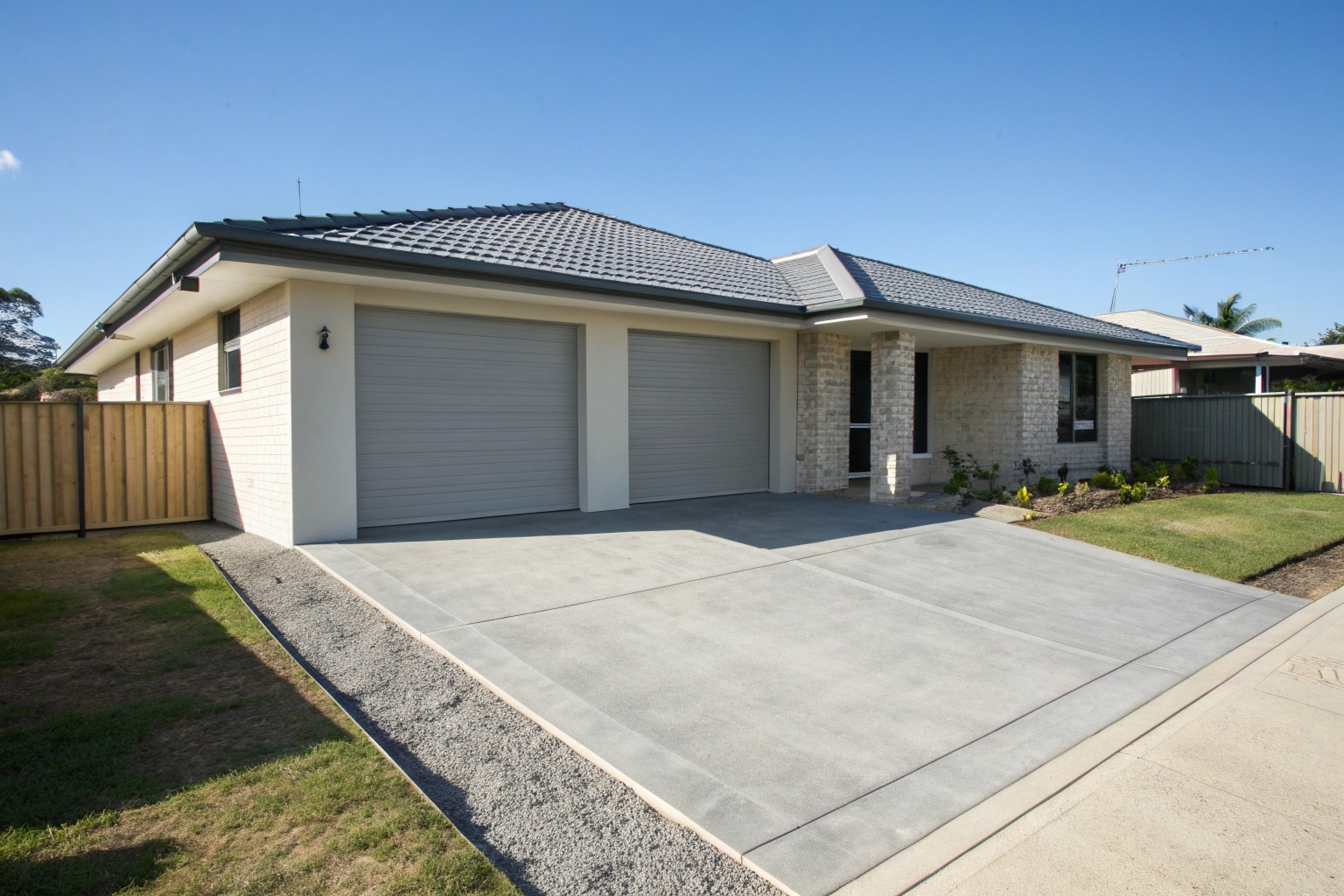
The surface finish on your garage slab affects more than just how it looks – it changes how practical and easy to maintain your garage actually is. We’ve done enough garages around Ipswich to know what finishes hold up and what causes problems down the track.
Smooth Trowel Finish This is what most people want for a garage – a smooth, hard finish that’s easy to sweep and clean. Oil spills, dirt, and dust don’t stick to it like they do on rough concrete. We trowel the surface multiple times as it cures to get that smooth, dense finish that’ll handle daily use without breaking down.
Oil Stain Resistance Garages cop oil drips, brake fluid, and all sorts of chemicals from vehicles. A properly finished slab with good density resists staining better than rough or poorly finished concrete. We seal the surface properly so spills sit on top rather than soaking in, making cleanup way easier.
Epoxy Coating Compatibility If you’re planning to epoxy coat your garage floor later for that showroom look, the slab surface needs to be prepared right from the start. We’ll finish it to the right profile so epoxy bonds properly. Some contractors over-trowel the surface, which makes epoxy coating difficult or impossible without expensive grinding.
Workshop-Ready Surfaces For workshop garages where you’ll be working on projects, we can adjust the finish to suit. Some blokes prefer a slightly textured surface for better traction when working with machinery or moving around tools and equipment.
Frequently Asked Questions About Garage Slabs in Ipswich
For standard cars, 100mm is the minimum, but we usually recommend 125mm if you’re parking heavier vehicles like 4WDs or utes. If you’re planning hoist installations or storing really heavy equipment, we’ll go thicker. The reactive clay soils around Ipswich also mean we need proper reinforcement regardless of thickness.
Yeah, we do it all the time around Ipswich. Sloping blocks need more excavation and often require a retaining wall or cut and fill work. It adds to the cost compared to a flat site, but it’s definitely doable. We’ll assess your property and let you know what’s involved.
Usually yes, especially if it’s attached to your house or over a certain size. Requirements change depending on your property and what you’re building. We can’t give you specific approval advice – you’ll need to check with Ipswich City Council or get a building certifier involved before we start.
You can walk on it after 24-48 hours, but we recommend waiting at least 7 days before building your garage structure on top. The concrete keeps curing and gaining strength for 28 days, but a week is usually enough to start construction without risking damage to the slab.
Sheds usually don’t need to handle vehicle weight, so they can be thinner and don’t need the same reinforcement. Garage slabs need to be perfectly level for door operation and engineered for the concentrated loads from vehicles. The site prep is more involved too, especially for attached garages.
Why Structural Engineering Matters for Garage Slabs
Look, we’ve seen too many garage slabs around Ipswich that weren’t built properly – cracked foundations, settling issues, doors that won’t close, and garages that end up costing more to fix than they would’ve cost to build right from the start. It doesn’t have to be that way.
Total Concrete Ipswich has been pouring garage slabs across Ipswich, Springfield, Redbank Plains, and Booval for years. We know the local soil conditions, we understand what thickness and reinforcement your specific garage needs, and we coordinate everything properly so your slab is ready for your garage structure without delays or problems.
Whether you’re building a single garage for your car, a double garage for the family vehicles, a workshop where you can actually get some work done, or a carport for your boat and trailer, we’ll engineer and pour a slab that’ll last for decades without giving you headaches.
We’ll come out to your property, assess the site, talk through what you’re planning to build, and give you a detailed quote that covers everything – excavation, reinforcement, concrete, finishing, the lot. No surprises, no hidden costs, just honest pricing for quality work.
Ready to get started on your garage project? Give us a call or send through an enquiry and we’ll get back to you with a quote. Let’s build you a garage slab that’s done right from the ground up.
