
Why Most Domestic Concrete Projects Need Pumping Solutions

Here’s what we see constantly around Ipswich – homeowners who’ve got big plans for their property but they’re stuck because nobody can figure out how to actually get the concrete where it needs to go. You’ve got houses built right up to the boundary line, driveways that were designed in the 70s when cars were smaller, and backyards that sit three metres higher than the front. Add in established gardens, new fencing, or that deck you built last year, and suddenly what should be a straightforward concrete pour turns into a logistical nightmare.
Traditional concrete truck methods just don’t cut it for most domestic projects anymore. The standard approach – back the truck up, drop the chute, and hope gravity does the rest – only works if you’ve got clear, level access right to where the concrete’s going. Problem is, that’s maybe 20% of the jobs we see. The rest need a proper pumping solution, and that’s where most concrete companies either give up or quote you through the roof because they’re making it harder than it needs to be.
We look at your property differently. When we do a site visit, we’re checking slope angles, measuring gate widths, noting what’s in the way, and working out the most efficient path from street to pour location. Sometimes a simple line pump threaded through your side access does the job perfectly. Other times you need a boom pump to reach over obstacles or handle elevation changes. The key is matching the right equipment to your specific property challenges, not just showing up with whatever pump we’ve got available that day.

Line Pumps vs Boom Pumps: Which One Your Property Needs
Most homeowners have no idea there’s different types of concrete pumps, and that’s fine – that’s our job to figure out. But understanding the basics helps you see why we recommend what we do for your specific project.
Common Domestic Projects We Handle Across Ipswich
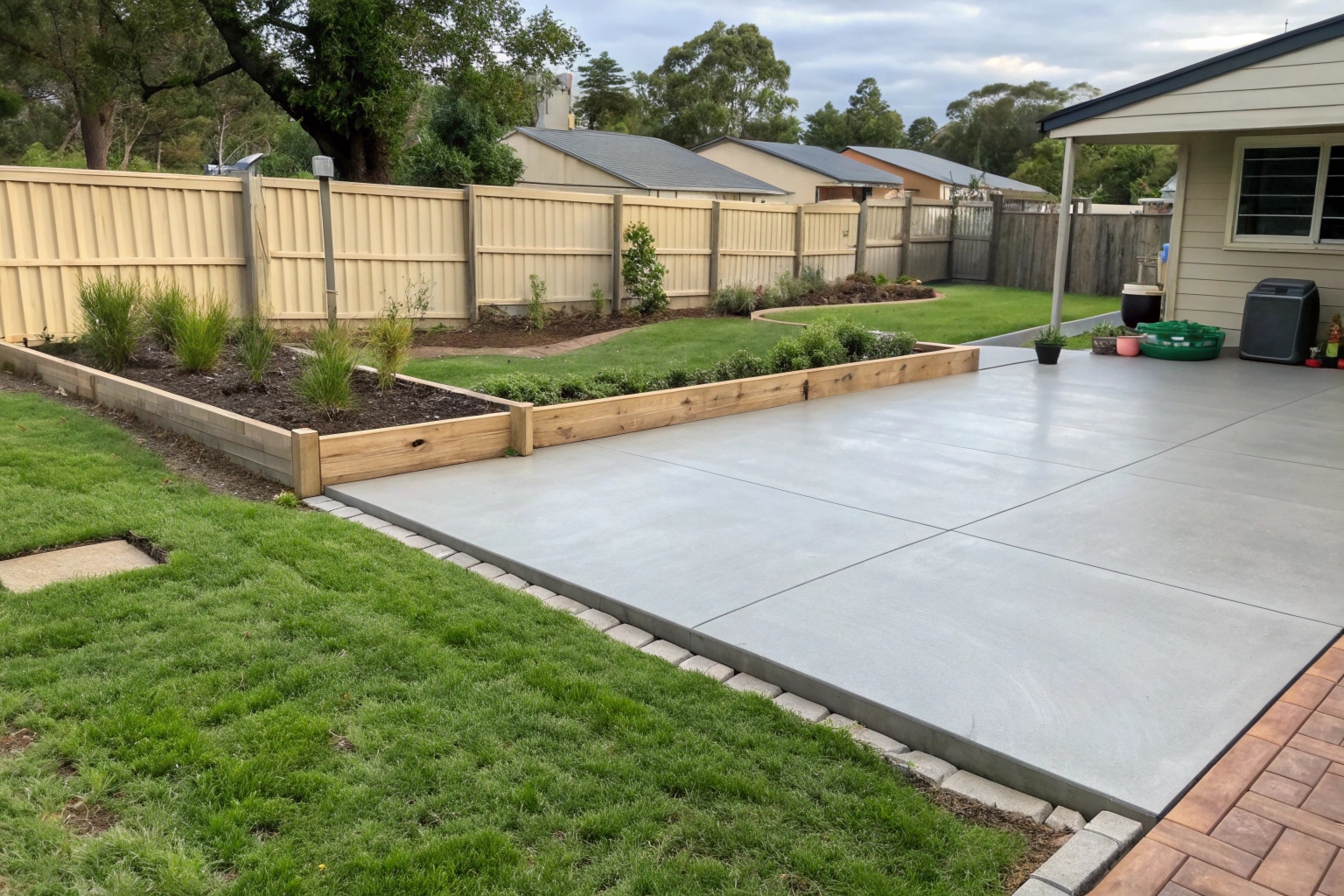
The backyard entertainment areas are probably our most common job. Everyone wants that outdoor living space where you can actually enjoy Queensland’s weather, and concrete’s the foundation for it all. Whether you’re doing a simple slab for outdoor furniture or a full alfresco setup with multiple levels, pumping gets the concrete placed properly without destroying the rest of your yard in the process. We’ve done hundreds of these across Ipswich suburbs, and the homeowners who go with pumping always tell us they’re glad they didn’t try the wheelbarrow approach.
Garage floors and shed slabs are another big one. Your existing driveway’s usually in the way, or there’s established gardens between the street and where the garage is going. Line pumps thread through these situations perfectly. Same deal with granny flats – they’re almost always tucked in the back corner of the property specifically because that’s where you’ve got space, which means they’re always a pain to reach with traditional methods.
Pool decks and surrounds are where pumping really proves its value. You’ve already spent serious money on the pool, the last thing you want is concrete trucks tearing up your yard or cracking your new pool edge. We pump around the perimeter, place it carefully, and your landscaper’s not cursing our names when they arrive to finish up. Side access slabs are probably the easiest pumping job going – narrow pathway beside the house, boom can’t reach, line pump sorts it in half the time manual methods would take.
Benefits for Ipswich Homeowners Using Concrete Pumping
The biggest advantage homeowners tell us about is the protection aspect. Your property stays intact. No concrete trucks doing three-point turns on your lawn, no wheelbarrows carving ruts across the garden beds your wife’s been working on for years, no workers trampling through established landscaping because it’s the only path to the pour site. The pump hose goes where concrete needs to go, everything else stays untouched. We’ve done jobs where the homeowner specifically chose pumping just to protect their driveway from heavy truck traffic – makes sense when you’ve just spent $8,000 on new pavers out front.
Time savings are massive too. What might take a crew six hours with wheelbarrows gets done in under two hours with proper pumping. That’s less disruption to your day, less time with tradies on site, and faster turnaround to get your project finished. For renovations where you’re still living in the house, that matters. Nobody wants concrete crews spending all day Sunday because the manual method’s taking forever.
The results are better too. When concrete’s pumped and placed quickly, it maintains consistent temperature and workability. Your concreter’s working with material that’s still in prime condition, not concrete that’s been sitting in wheelbarrows getting stiff. That translates to better finishing, fewer cold joints, and a slab that performs properly for decades. Plus our operators know Ipswich’s reactive clay soils – we’re adjusting approach based on local conditions, not treating every job the same.
Frequently Asked Questions About Domestic Concrete Pumping
We’ve successfully pumped through gaps as narrow as 800mm. Standard side gates are usually 900mm which gives us plenty of room to work with. The hose itself is flexible enough to navigate corners and tight spots – we just need clear passage without sharp bends that’d restrict flow.
Line pumps are trailer-mounted and surprisingly light – they don’t cause any more damage than parking a car would. We position them on solid surfaces wherever possible, and if we need to cross lawn areas, we use protection boards. Boom pumps stay on the street, so there’s zero risk to your property from the equipment itself.
Absolutely. We coordinate with concreters all the time – just give us their contact details and we’ll sort out timing and approach before pour day. If they haven’t worked with pumped concrete before, we’ll walk them through what to expect so everyone’s on the same page.
For most domestic jobs, a week’s notice is plenty. During busy periods (spring and early summer), two weeks is safer. If you’ve got a tight deadline or weather window, call us and we’ll see what we can shuffle around – we understand Ipswich’s weather patterns don’t always cooperate with construction schedules.
Pretty much. Standard house slabs, exposed aggregate, coloured concrete – they all pump fine. The only mixes that sometimes cause issues are really stiff decorative blends, and even then we can usually adjust pressure to make it work.
Get Your Free Site Assessment for Domestic Concrete Pumping
Every Ipswich property is different, and trying to figure out pumping requirements over the phone or from photos never tells the full story. That’s why we do free site visits for domestic projects – we come out, have a look at what you’re dealing with, measure up the access, and give you straight answers about what equipment you need and what it’ll cost. No obligation, no pressure, just practical advice from blokes who’ve been doing this across Ipswich suburbs for years.
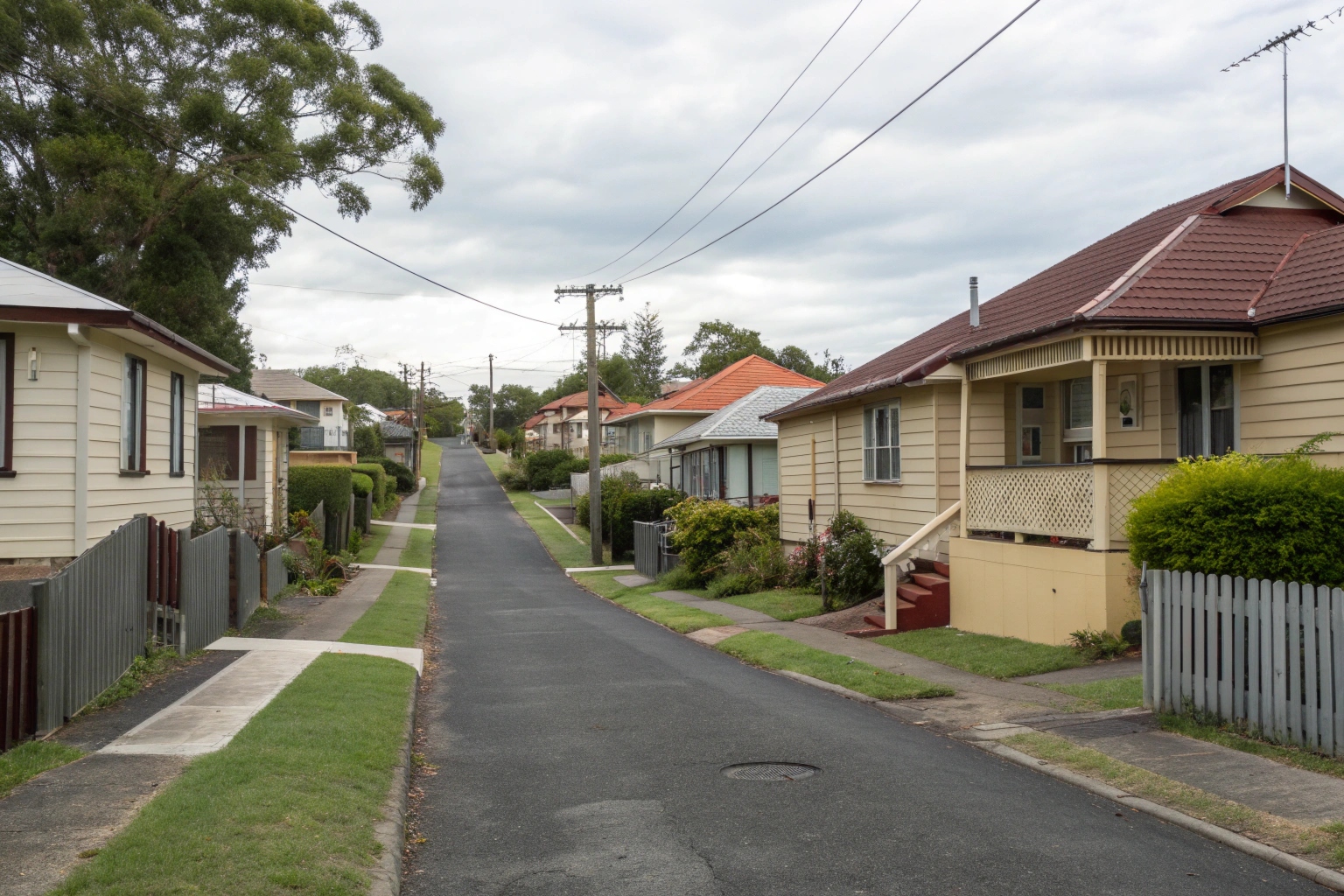
We’re working in Springfield, Redbank Plains, Booval, Bundamba, and right throughout the Ipswich region daily. Chances are we’ve already solved the exact access problem you’re facing on a property just like yours. Whether you’ve got a backyard entertaining area that’s been on hold because nobody can figure out how to get concrete there, or a garage slab that needs replacing without destroying your established gardens, we’ve got the pumping solutions sorted.
Give us a call and we’ll book a time that suits to come check out your property. We’ll explain which pump type makes sense for your job, how the process works, and what you’re looking at cost-wise. Then you can make an informed decision about moving forward. We service domestic concrete pumping needs throughout Ipswich and surrounding areas – if you need concrete placed somewhere tricky, we’re the crew to sort it properly.
