
Types of Concrete Footings We Install in Ipswich
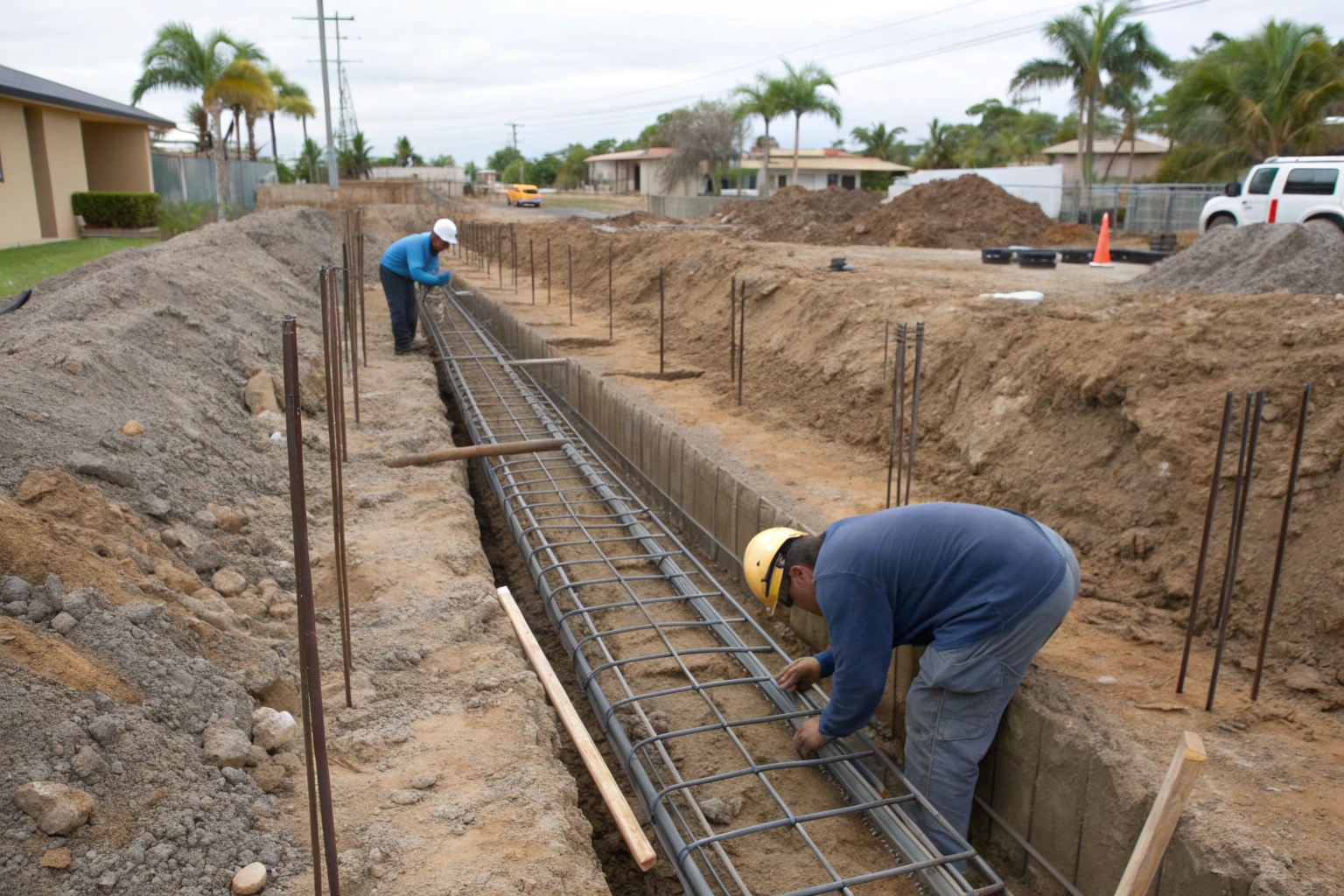
Not all footings are created equal, and what works for a garden shed definitely won’t cut it for a two-storey extension. We install the right type of footing for each specific job across Ipswich properties.
House Footings & Extensions
For new home construction or extensions, we typically install strip footings for load-bearing walls or pad footings for individual posts. In Ipswich’s reactive clay conditions, these often need to go deeper than standard specs – sometimes 600mm to 900mm depending on what the soil testing shows. We also handle raft slab edge beams for homes being built on particularly challenging ground where conventional footings just won’t work.
Fence Post Footings
A proper fence post footing in Ipswich needs to be at least 600mm deep, sometimes more for taller fences or exposed positions. We’ve repaired too many fences where contractors just dug a shallow hole and hoped for the best. Our fence footings are sized and reinforced to handle the soil movement and wind loads your fence will face over the years.
Deck, Pergola & Patio Footings
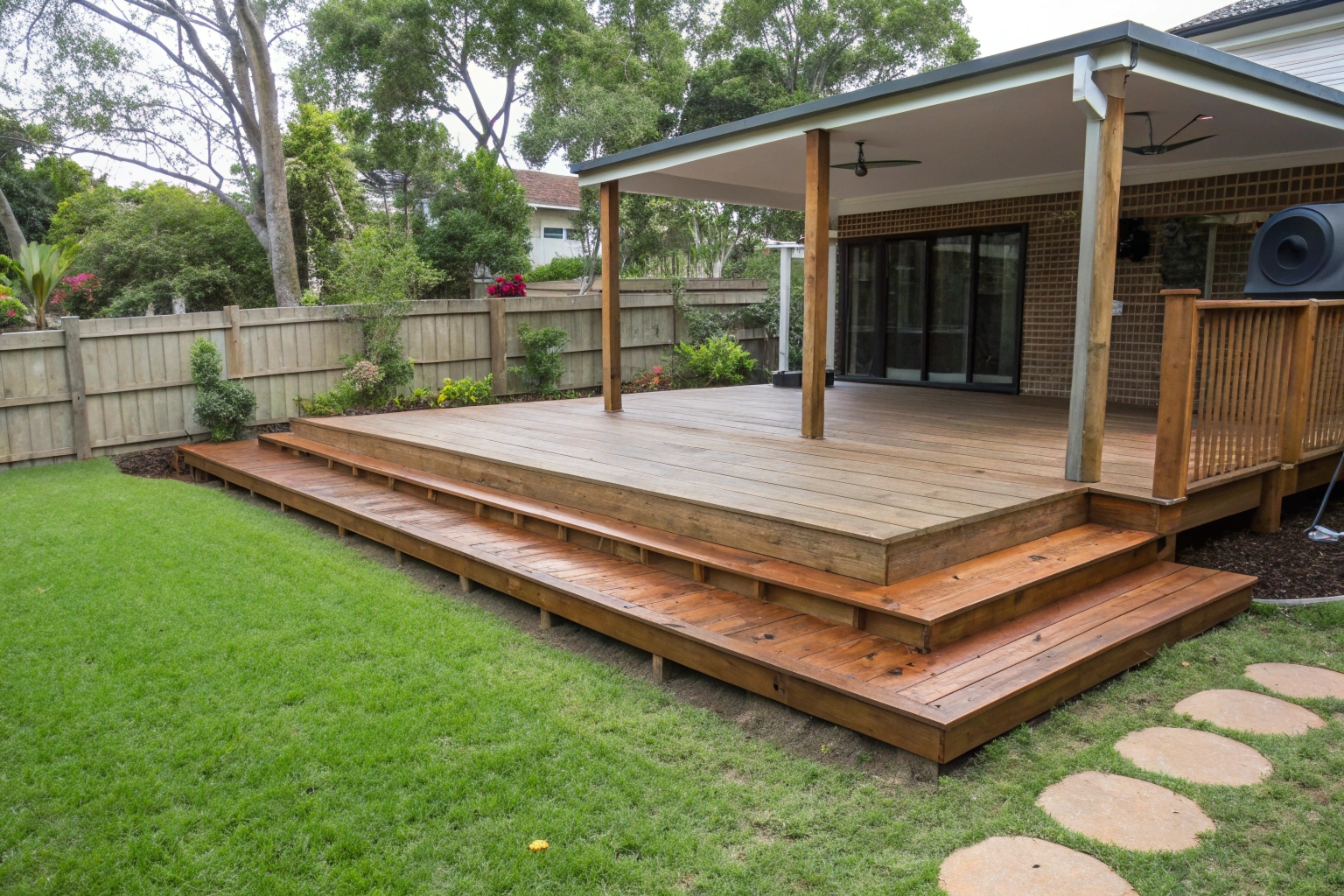
Raised decks and pergolas need pad footings that can handle concentrated loads without settling. We calculate the right size and depth for each post position, accounting for your deck’s span and the loads it’ll carry. Same goes for patio footings – they need proper engineering to stay level through Ipswich’s wet and dry seasons.
Retaining Wall Footings
Retaining walls cop some serious pressure from the soil behind them, especially after heavy rain. We install strip footings sized to the wall height and soil conditions, with proper reinforcement and drainage considerations built in from the start.

Why Ipswich Soil Conditions Demand Proper Footing Engineering
Here’s the thing about Ipswich – we’ve got some of the most reactive clay soils in Queensland, and if your concrete footings aren’t engineered for that, you’re setting yourself up for problems down the track.
Engineering & Compliance Requirements for Ipswich Footings
You can’t just start digging and pouring concrete in Ipswich – there’s engineering and council requirements that need to be sorted first. We handle all of this for you, but it’s worth knowing what goes into getting your footings approved and built to code.
Soil Testing and Engineer Specifications
Before any concrete gets poured, we recommend getting a geotechnical soil test done on your site. This isn’t just red tape – it tells the structural engineer what soil classification you’ve got and how reactive it is. The engineer then designs your footings based on that specific data, specifying depths, widths, reinforcement requirements, and concrete strength grades that’ll work for your actual ground conditions. We work directly with engineers who know Ipswich soils inside out.
AS2870 Compliance Standards
All residential footings in Queensland need to comply with AS2870 – that’s the Australian Standard for residential slabs and footings. It covers everything from minimum depths and widths to reinforcement requirements and concrete specifications. When we install your footings, we’re following these standards to the letter, which means your work is engineered properly and won’t cause issues when you go to sell your property down the track.
Council Approval Process
Most footing work in Ipswich requires council approval or certification. We can help you understand what approvals you’ll need for your specific project – whether it’s a building permit for house footings, certification for retaining walls, or compliance certificates for structural fencing. We make sure all the paperwork’s in order before we start and that inspections are scheduled when required.
When Your Ipswich Property Needs Concrete Footings
Knowing when you actually need proper concrete footings can save you from expensive repairs later on. Here’s when footings aren’t optional – they’re required for safety, compliance, and long-term stability.
New Home Construction & Extensions
Any new house build in Ipswich needs engineered footings that meet current building codes. Same goes for extensions – you can’t just build off existing structures without proper footings that tie into the original foundation or stand independently. We handle footings for single and double-storey builds, granny flats, and home additions that need council approval and engineer certification.
Structural Fencing & Gates
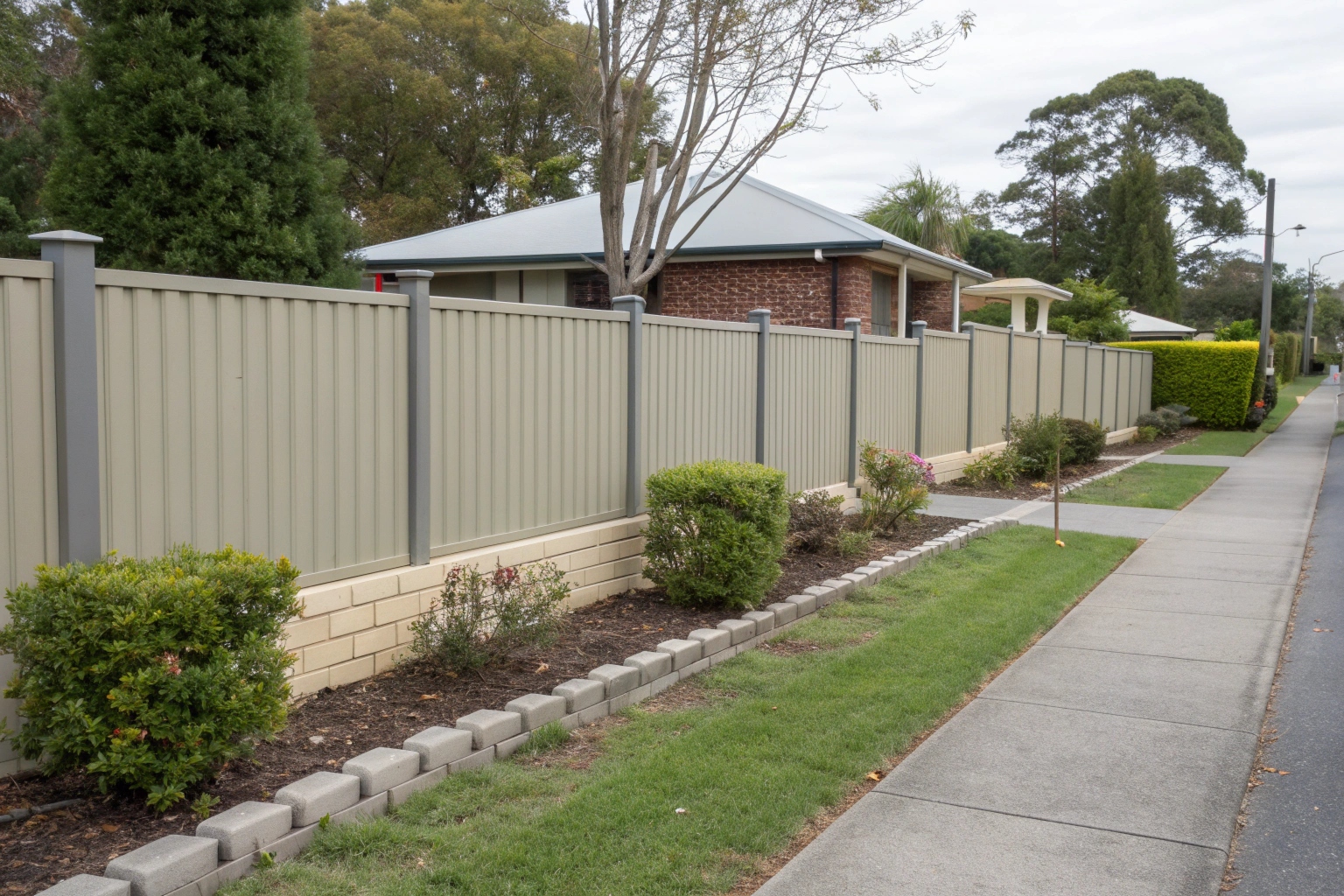
Not every fence needs deep concrete footings, but if you’re building a solid timber or Colorbond fence over 1.8m high, or dealing with sloping ground, proper footings are a must. Heavy gates and fence sections on corner posts especially need adequate footings to handle the weight and wind loads. We’ve repaired too many leaning fences that were installed without proper footing depth or concrete volume.
Retaining Walls & Raised Decks
Any retaining wall over 600mm high needs engineered footings – no exceptions. The soil pressure behind these walls is significant, especially after heavy rain, and inadequate footings will fail. Raised decks and elevated pergolas also need pad footings at each post position, sized to prevent settling and movement as the ground shifts through seasonal changes.
Frequently Asked Questions About Concrete Footings in Ipswich
It depends on your soil classification and what you’re building, but most residential footings in Ipswich need to be at least 600mm deep. For reactive clay soils or heavier structures, we often go 800mm to 900mm or deeper. A geotechnical soil test and engineer’s specs will tell you exactly what depth you need for your specific site.
We strongly recommend it, especially for house footings, extensions, or retaining walls. A soil test costs a few hundred dollars but tells you your soil classification and how reactive your clay is. Without it, you’re guessing at the right depth and reinforcement requirements – and guessing wrong gets expensive when footings fail.
Concrete footings need at least seven days to cure before you start building on them. In hot weather or for heavy loads, we sometimes recommend waiting longer. Rushing this part compromises the strength of your footings and everything sitting on top of them.
You can DIY simple projects like small garden shed footings, but anything structural – house footings, retaining walls, decks – needs professional installation with engineering and council approval. Ipswich’s reactive soils don’t forgive amateur mistakes, and incorrect footings will cause problems that cost way more to fix than hiring professionals in the first place.
Get Your Ipswich Concrete Footings Done Right the First Time
The foundation of any structure starts underground, and in Ipswich, that means concrete footings that are engineered for our local soil conditions. Whether you’re planning a new home build, adding an extension, installing structural fencing, or building a retaining wall, getting the footings right from the start saves you from costly repairs and structural issues down the track.
We’ve been installing concrete footings across Ipswich, Springfield, Redbank Plains, Booval, and Bundamba for years. We work with structural engineers who understand reactive clay soils, we follow AS2870 compliance standards, and we handle council approvals so your project starts on solid ground – literally.
From soil testing recommendations through to final inspection, we take care of the underground work that keeps everything standing strong through Ipswich’s seasonal soil movement, heavy rains, and the test of time. Our footings are installed to engineered specifications with proper depth, reinforcement, and concrete grades that match your site conditions.
Don’t leave your project’s foundation to chance. Get in touch with us for a quote on your concrete footings project. We’ll assess your site, explain what’s needed for your specific situation, and give you a clear price for footings that’ll do their job for decades to come. Call us today or fill out our online form to get started with your Ipswich concrete footings project.
