
What does site excavation include?
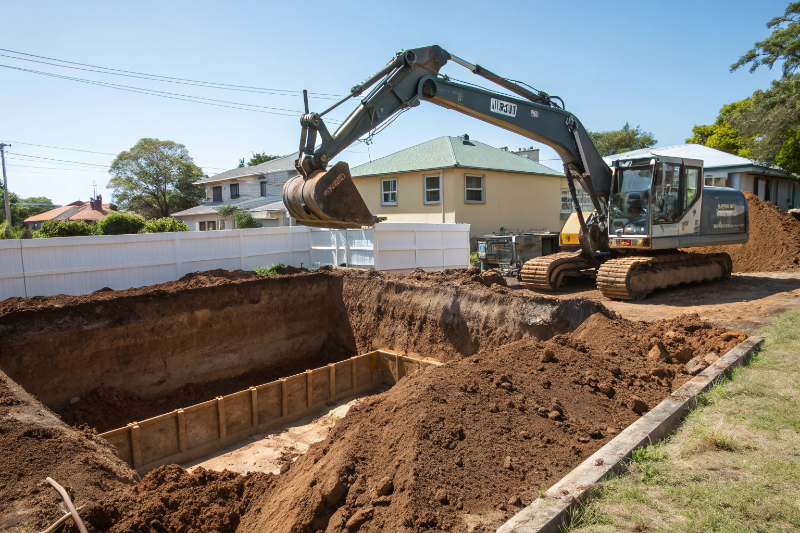
Site excavation includes the complete preparation of land for construction through systematic earthworks. Professional site excavation involves:
- Site assessment and marking – Surveying boundaries, identifying underground utilities, and marking excavation zones
- Vegetation and topsoil removal – Clearing trees, shrubs, and stripping organic material
- Earth removal – Cutting soil and rock to the required depths using excavators and machinery
- Cut and fill operations – Creating level building pads on sloping terrain
- Drainage shaping – Grading surfaces to direct water flow away from structures
- Service trenching – Digging channels for plumbing, electrical, and drainage lines
- Compaction preparation – Levelling and compacting subgrade for concrete footings and slabs
- Material disposal – Removing excavated clay, rock, and unsuitable material from the site
In Ipswich’s reactive clay soil conditions, site excavation also includes proper depth calculations and seasonal soil management to make sure your structure stays stable long-term.

Understanding Ipswich's Reactive Clay Soil Challenges
How Reactive Clay Affects Excavation Work: Reactive clay swells when wet and shrinks when dry. Ipswich’s H1-H2 classified soils cause significant ground movement if excavation depth and preparation aren’t done correctly.
Seasonal Considerations for Excavation in Ipswich: December to March brings saturated clay that’s heavy and unstable. Dry season excavation (April-November) offers better working conditions and faster compaction for most projects.
Proper Excavation Depths for Clay Soil Stability: Excavation must reach below seasonal moisture variation zones—typically 600-900mm deep. Engineer specifications determine exact depths based on soil classification and the structure type being built.
Soil Management and Disposal Solutions: Excavated reactive clay gets removed from the site via tipper trucks. We import quality fill material when needed and handle environmental disposal requirements for all unsuitable soil.
Types of Site Excavation Services in Ipswich
House Site Cuts and Building Pad Preparation
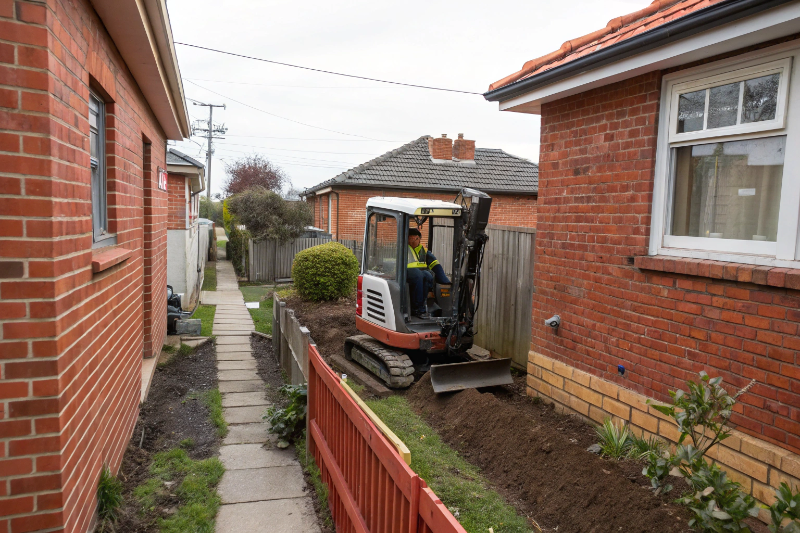
New home construction in Ipswich starts with getting your building pad right. We handle house site excavation for single-story homes, double-story builds, and those tricky extension projects where you’re working around existing structures. Our excavation crew digs to engineered cut specifications that comply with AS2870 requirements for reactive clay sites.
For sloping blocks around Springfield and Redbank Plains, we specialise in bench cutting to create level building platforms. This isn’t just scraping off the high spots. We’re talking about proper cut and fill work, retaining wall integration, and getting drainage falls right so water moves away from your home site. Multi-level house sites need even more precision—each level has to be laser-levelled and compacted to specific density requirements before any concrete gets poured.
No miscommunication between trades. No finger-pointing if something’s not right. One company, one standard, done properly from dig to finish.

Driveway Excavation for Sloping Blocks
Driveway excavation on Ipswich’s sloping blocks is where a lot of contractors get themselves into trouble. They underestimate the cut required, don’t account for proper drainage fall, or compact the base incorrectly.
Getting the excavation right means calculating the correct fall for drainage—too steep, and it’s dangerous in wet weather, too flat and water pools on the surface. For properties with significant slope, we often integrate retaining walls as part of the excavation work to create stable driveway access without excessive cutting.
The base compaction for driveways is different from that for house pads. Driveways take dynamic loads—vehicles braking, turning, heavy loads from trades during construction. We compact in layers using plate compactors and check density as we go. By the time we’re finished with driveway excavation, you’ll have a base that’s ready for concrete that’ll last decades, not just look good for the first year.
Swimming Pool Excavation
Pool excavation in Ipswich requires precision digging to exact depths for the pool shell, managing the disposal of significant soil volumes. We’ve excavated pools through 800mm side access using mini excavators, dug plunge pools in compact courtyards, and handled full-size resort-style pool excavations on acreage properties.
The challenge with pool excavation is that you’re digging deeper than most other residential work, which means you’re getting into clay layers that haven’t seen moisture variation in years. That clay needs to come out. The hole needs to be dug slightly oversized to allow for the pool shell installation and plumbing work. Then, after the shell goes in, we come back for backfill and compaction around the pool structure.
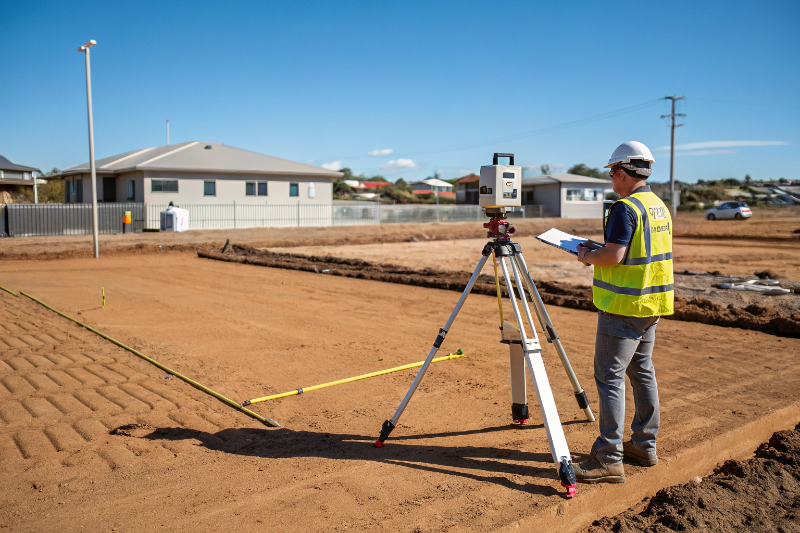
We use laser levels to confirm depths and dimensions before the pool installer arrives. Getting pool excavation right the first time saves thousands in potential rework—because once you realise the hole’s the wrong depth or shape, fixing it is expensive and time-consuming.
Service Trench Digging and Utility Access
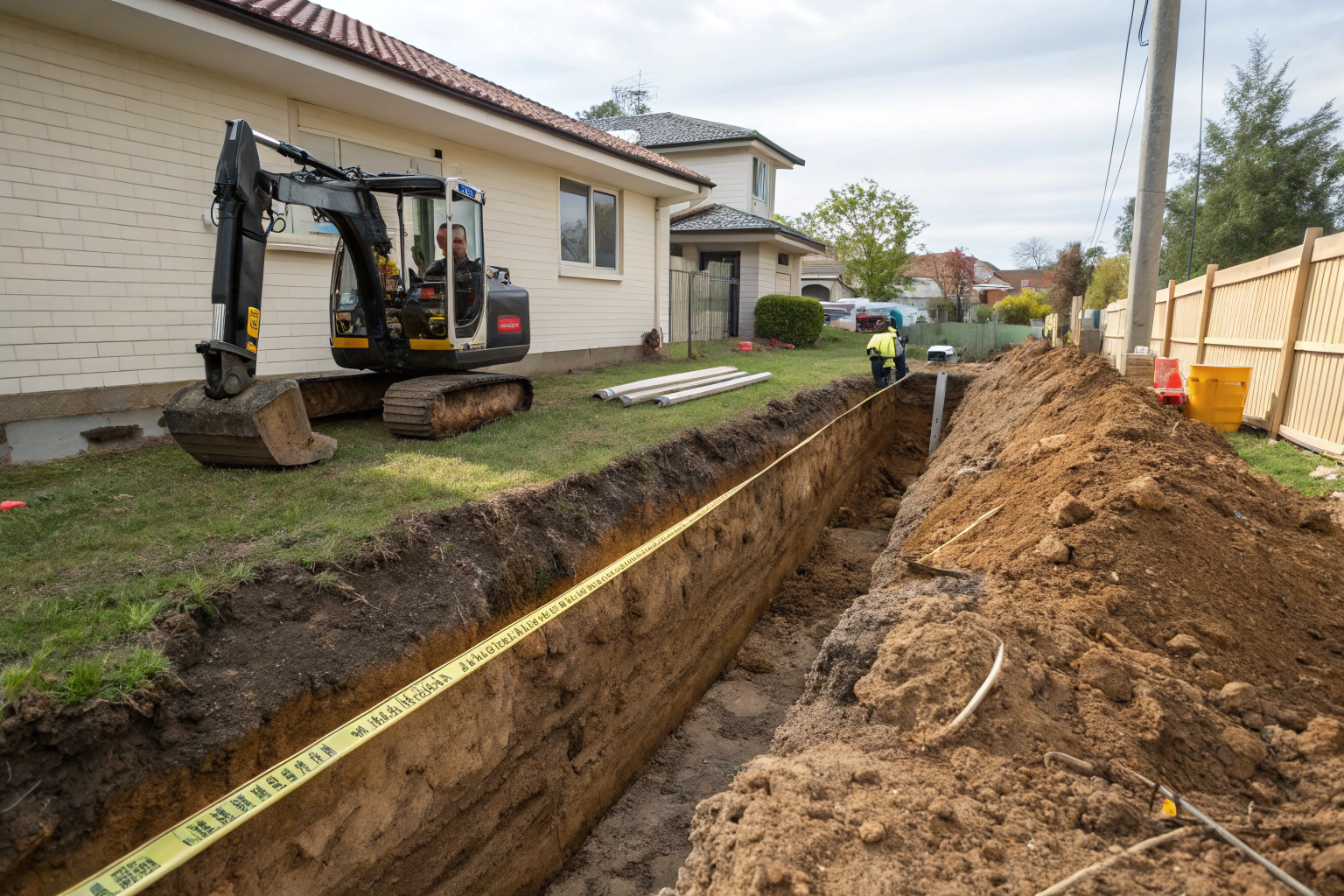
Service trenches for plumbing, electrical conduit, stormwater drainage, and sewer connections don’t get much attention until someone digs them wrong. Then you’ve got crushed pipes, inadequate fall for drainage, or electrical cables that aren’t deep enough to meet regulations. We dig service trenches to proper depths for each utility type.
Trench digging in Ipswich’s clay requires clean cuts with near-vertical walls in stable soil, proper shoring if trenches go deeper than 1.5 meters, and coordination with utility plans so we’re not digging blind. We use Dial Before You Dig services before every excavation to locate existing underground services. The last thing anyone needs is a severed NBN cable or damaged water main because someone didn’t check first.
After utilities are installed, trench backfill and compaction matter just as much as the digging. We compact backfill in layers to prevent settling—those sunken lines across driveways and lawns happen when backfill wasn’t compacted properly. For trenches crossing future concrete areas, compaction has to meet the same density requirements as the rest of your site preparation.
The Professional Site Excavation Process
Site Assessment and Pre-Excavation Planning: Initial site inspection identifies underground services via Dial Before You Dig. We check surveyor marks, assess access routes, test soil conditions, and plan the project timeline.
Excavation and Earthmoving Operations: Equipment selection matches project size—from mini excavators for tight access to large machines for house sites. GPS systems guide precision digging to engineered specifications throughout excavation.
Compaction and Level Preparation: Laser levelling technology creates precise surfaces. We compact in layers using plate and roller compactors, checking density to meet the engineer’s requirements before concrete or construction begins.
Quality Control and Engineer Specifications: We work to engineer requirements with compaction testing and certification when needed. Final inspection checklist confirms the site is ready for the concrete pour or the construction phase.
Site Excavation Equipment and Capabilities
Excavator Fleet for Various Project Sizes: Small excavators (1-3 ton) handle residential jobs. Medium machines (5-8 ton) tackle house sites. Large excavators manage commercial projects with deeper digging depths and bigger bucket capacities.
Tight Access Solutions with Bobcats: Mini excavators fit through 800mm side access without damaging existing property. Bobcats work in confined spaces, rear yards, and narrow driveways where standard equipment won’t fit.
Laser Levelling and Compaction Equipment: GPS-guided excavation and laser levelling deliver precision surfaces. Plate compactors and roller compactors achieve engineer-specified density. Modern technology removes guesswork from site preparation quality.
Why Choose Total Concrete Ipswich for Site Excavation
Local Ipswich Excavation Expertise: Years serving Ipswich, Springfield, Redbank Plains, Booval, and Bundamba. We understand local soil conditions, council requirements, and suburb-specific challenges that affect every excavation project.
From Excavation to Concrete Completion: Integrated service means excavation prepared specifically for concrete work. One contractor manages your entire project from initial dig to finished concrete—no coordination hassles between separate trades.
Licensed, Insured, and Quality Guaranteed: Fully licensed operators with comprehensive insurance and WorkCover compliance. Quality workmanship guarantee backs every excavation project. Professional business practices with free quotes for all services.
Frequently Asked Questions About Site Excavation in Ipswich
We typically excavate 600-900mm deep for house slabs in Ipswich, depending on your soil classification and engineer specifications. Reactive clay sites need deeper excavation to get below the seasonal moisture variation zone, where soil movement occurs.
We can excavate during wet conditions, but it’s not ideal. Saturated clay becomes heavy, unstable, and difficult to compact properly. We recommend scheduling excavation during Ipswich’s dry season (April-November) when soil conditions are more stable, and compaction results are better.
Excavation costs depend on site size, soil type, access, and how much material needs to be removed. A typical house site excavation runs $3,000-$8,000. Pool excavation averages $2,500-$5,000. We provide free quotes after assessing your specific property and project requirements.
We remove excavated reactive clay from the site via our tipper truck fleet because it’s unsuitable for most purposes. If you want soil for landscaping, we can discuss importing quality fill material instead. All disposal meets environmental requirements.
Cut excavation removes soil to lower the ground level. Fill brings in material to raise it. On sloping Ipswich blocks, we often do both—cutting the high side and filling the low side to create level building pads or driveway access.
A standard house site takes 1-3 days, depending on size and soil conditions. Driveway excavation usually takes 1 day. Pool excavation takes 1-2 days. Larger commercial sites or complicated access can extend timelines. We provide accurate schedules with every quote.
Ready to Start Your Site Excavation Project?
Don’t risk your construction investment on improper excavation work. Total Concrete Ipswich delivers professional site preparation that accounts for Ipswich’s reactive clay soil conditions—from initial assessment through final compaction and concrete completion.
Get your free site excavation quote today.
Call us now or fill out our contact form for a detailed assessment of your Ipswich property. We service Ipswich, Springfield, Redbank Plains, Booval, Bundamba, and surrounding areas.
Phone: 0482094228
Service Areas: Ipswich, Springfield, Redbank Plains, Booval, Bundamba
