Skip to content

Strip Footings Ipswich - Engineered for Reactive Clay Soils

When you’re building in Ipswich, there’s one thing every tradesman and engineer knows – our reactive clay soils don’t mess around. Last wet season, I watched a mate’s retaining wall develop a crack you could fit your fist through, all because the contractor skimped on proper strip footings. That’s the thing about building on Ipswich’s tricky ground – you can’t see what’s holding up your walls, but you’ll sure as hell know when it’s not done right.
Strip footings are the continuous concrete beams that run under your walls, spreading the load so your structure stays put even when our clay soil decides to shift and swell. Whether you’re putting up a new house, extending your existing home, or building retaining walls around Springfield or Redbank Plains, strip footings are what keep everything standing solid. We’re talking properly engineered concrete foundations that work with Ipswich’s soil conditions, not against them. Around here, that means footings designed specifically for reactive clay – wider, deeper, and reinforced properly so you’re not dealing with cracks and movement down the track.

What Are Strip Footings and How Do They Work?

Reactive clay soil at Ipswich building site ready for strip footings

Think of strip footings as the long concrete ribbons that sit under every wall in your house or retaining structure. They’re continuous beams – typically 600mm wide and anywhere from 400-800mm deep depending on what the engineer specifies – that run the entire length of your walls. The whole point is spreading the load. Instead of your wall pushing down on the ground in one spot, strip footings distribute that weight across a much bigger area. When Ipswich’s clay soil swells in the wet season or shrinks during our scorching summers, that distributed load means your walls move as one unit instead of cracking and buckling.
Strip Footings vs Other Foundation Types
Here’s where people get confused – strip footings aren’t the same as slab foundations or pad footings. A concrete slab covers your whole floor area in one go, sitting on the ground like a big concrete raft. Strip footings only go under the walls. Pad footings are individual concrete blocks under posts or columns – you’ll see these on pergolas and verandahs. Strip footings are specifically for continuous walls, whether that’s your house perimeter, internal load-bearing walls, or retaining walls holding back soil.
The reinforcement inside makes the difference too. We’re running steel bars (usually N12 or N16) along the length of the footing, tied together with cross bars. That steel keeps everything working together when the ground moves underneath.

GET YOUR INSTANT FREE QUOTE NOW
Newcastle Solar Power Google Reviews and Trust Badge

Where Strip Footings Are Used in Ipswich Construction
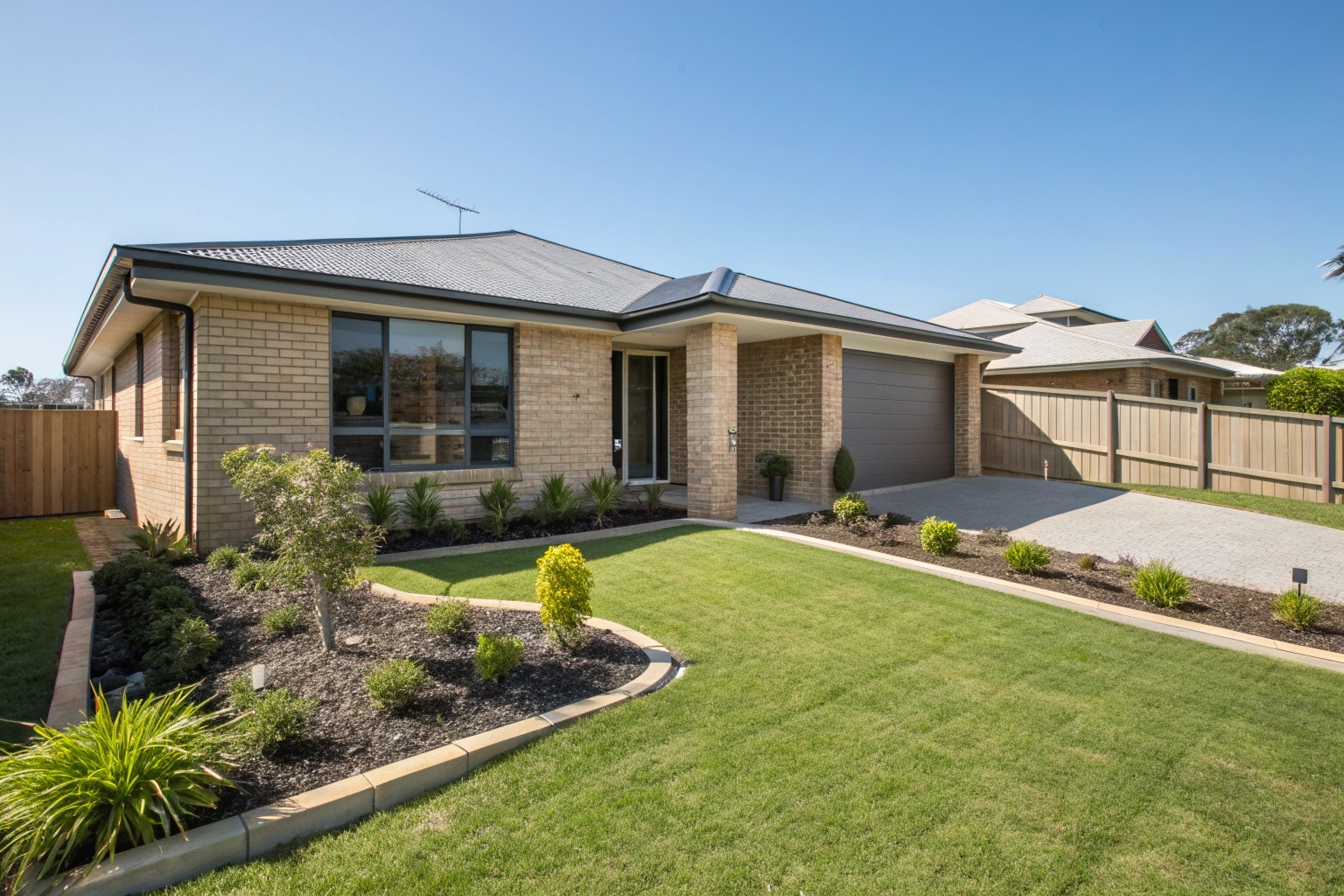
You’ll find strip footings doing the heavy lifting in pretty much every solid structure around Ipswich. The most common application is house perimeter foundations – the footings that run under your external brick or block walls all the way around your home. Every Queenslander, every brick veneer house in Booval, every rendered block home in Bundamba – they’re all sitting on strip footings holding up those external walls.

But it doesn’t stop at the perimeter. Internal load-bearing walls need strip footings too. If you’ve got a wall that’s carrying roof trusses or supporting the second storey, that wall needs proper footings underneath. Can’t just build on the slab and hope for the best – the weight will crack your floor and walls within a couple years.

Retaining walls are another big one. Whether you’re holding back a meter of soil for a level backyard or building a proper engineered wall for a sloping block, strip footings are what keep that wall from tipping forward or sinking into the ground. Same goes for boundary walls – the tall brick or block walls between properties need footings to stay standing.

Extensions are where we see a lot of strip footing work. Adding a bedroom, building out the kitchen, putting on a granny flat – all of it needs new footings that tie into your existing structure properly. Can’t just pour concrete and stack bricks on top.

Solid brick home built on proper strip footings in Ipswich

Engineering Strip Footings for Ipswich's Reactive Clay Soils

Here’s what separates Ipswich from easier building locations – our Class H and Class M reactive clay soils. These classifications under AS2870 (that’s the Australian standard for residential slabs and footings) tell you how much the soil’s going to move when moisture levels change. Class H is highly reactive, Class M is moderately reactive, and both are common across Ipswich, Springfield, and the surrounding suburbs.
What that means in practice is your engineer needs to design footings that handle significant ground movement. A footing that works fine in Brisbane’s sandier soils will crack and fail here within a few years. The calculations account for how deep the moisture changes penetrate – usually around 2-3 meters in our area – and how much swell and shrinkage that causes.
Your engineer will request a soil test before designing the footings. They’re looking at soil classification, bearing capacity, and how reactive it is. That test determines if you need footings 450mm deep or 800mm deep, whether you need extra reinforcement, and if special design features are required. Some sites around Redbank Plains need pier and beam systems instead of standard strip footings because the clay’s just too reactive.
AS2870 compliance isn’t optional – it’s what your certifier checks before signing off. Engineers design to this standard because it accounts for our local conditions and keeps your structure safe long-term.

How Strip Footings Are Constructed

The excavation comes first – digging trenches to the exact depth and width the engineer specified. On sloping blocks or sites with varying soil, different areas might need different depths. We’re checking levels constantly because getting this wrong means your whole structure sits crooked. The trench bottom needs to be clean and compacted – no loose dirt, no tree roots, nothing that’ll compress and cause settlement.
Formwork goes in next if you’re above ground level or need clean edges. That’s the timber or steel forms that hold the concrete in place while it sets. For most strip footings sitting in the ground, the trench walls are your formwork – you’re pouring straight into the earth.
Steel placement is where things get technical. The reinforcement cage sits on plastic spacers or small concrete blocks – usually 75mm off the bottom – so the steel ends up embedded in the concrete, not sitting on the dirt. Every bar gets tied together properly with wire, and those starter bars need to be positioned exactly where the wall’s going up. One bloke holds them plumb while another ties them off.
The concrete pour happens all in one go if possible. You don’t want cold joints where old concrete meets new – that’s a weak point waiting to crack. We’re vibrating the concrete as it goes in, working out air pockets and making sure it flows around all the steel properly.

Retaining wall with strip footings on sloping Ipswich property

Why Proper Strip Footings Matter for Your Ipswich Build

Walk through any older suburb in Ipswich and you’ll spot the houses with dodgy footings – diagonal cracks through the brickwork, doors that won’t close properly, gaps opening up between the wall and the roof. That’s what happens when strip footings weren’t designed or built right for our reactive clay. The soil moves, the footings can’t handle it, and your walls start cracking. Once that starts, you’re looking at expensive underpinning work to fix what should’ve been done properly from the start.
Structural stability is the whole point of footings. Your walls are only as solid as what’s underneath them. Proper strip footings keep everything level and plumb even when the ground’s shifting underneath. When the clay swells during heavy rain, footings designed for Ipswich conditions move as one unit – your whole wall lifts slightly and settles back down without cracking. Footings that are too shallow or poorly reinforced crack under that stress, and the wall follows.
Long-term building integrity comes down to getting the foundations right. A house built on proper strip footings will still be standing solid in fifty years. Cut corners here and you’re dealing with ongoing maintenance, structural repairs, and a property that’s hard to sell because the building inspector flags foundation issues. It’s not the sexy part of building, but it’s the part that matters most.

Strip Footing Design Specifications That Matter

Getting the specs right is where amateur hour ends and proper engineering begins. Around Ipswich, a standard strip footing for a single-storey house typically runs 600mm wide and 450-600mm deep, but don’t just take that as gospel – your engineer will calculate based on your actual soil conditions and what you’re building. Two-storey homes or heavier structures need deeper footings, sometimes 800mm or more.
The concrete strength matters too. We’re using 20MPa minimum, but most engineers spec 25MPa for strip footings in Ipswich because our soil movement demands that extra strength. That’s the concrete’s ability to handle compression without crumbling – you don’t want to cheap out here.
Steel reinforcement is non-negotiable. You’ll see N12 bars (12mm diameter) for lighter residential work, but N16 bars are common for anything carrying serious load or dealing with poor soil. We’re running at least two continuous bars along the bottom of the footing, sometimes four depending on the engineer’s calculations. Cross bars tie them together every 600mm or so, creating that cage that holds everything rigid.
Starter bars are those vertical steel rods sticking up out of the footing – they’re what your bricklayer or blocklayer ties into when building the wall. Usually N12 bars at 600mm centres, bent at the bottom and embedded in the concrete. Without them, your wall’s just sitting on top instead of being properly connected.

Integration with Your Building Structure

Strip footings don’t work in isolation – they need to connect properly with everything else in your build. The connection to your concrete slab is where a lot of builders get lazy. Your strip footings should be poured first, then your slab gets poured up against them or ties into them with reinforcement. Some builders try doing it backwards or leaving gaps, and you end up with cracks where the two meet. The slab and footings need to work together, especially on reactive clay where differential movement will open up any weak points.
Brick and block wall attachment happens through those starter bars we mentioned earlier. Your bricklayer or blocklayer embeds these vertical bars into the mortar joints as they build up the wall. That creates a mechanical connection between the footing and the wall – they’re literally tied together with steel. Without starter bars, you’re relying on mortar adhesion alone, which isn’t enough when the ground’s moving.
Height above ground level matters for drainage and damp protection. Strip footings typically finish 150-200mm above natural ground level, giving you fall away from the building and keeping moisture away from your walls. Your finished floor level sits higher again, creating that step up you see at most entry doors.
Damp-proofing comes in as a plastic membrane between the footing and the wall – stops moisture wicking up from the ground into your brickwork.

Frequently Asked Questions About Strip Footings in Ipswich

Depends on your soil classification and what you’re building. Most residential strip footings in Ipswich run 450-600mm deep for single-storey homes, but reactive clay sites might need 800mm or deeper. Your engineer calculates this based on soil testing – don’t let anyone tell you there’s a standard depth that works everywhere.

Absolutely. Extensions need new footings that tie into your existing structure. We excavate next to the old footings, install reinforcement that connects to the original work, and pour the new footings. The tricky bit is matching levels and making sure the connection’s solid so you don’t get cracks where old meets new.

Concrete reaches enough strength for light work in 3-7 days, but we’re usually waiting at least a week before stacking bricks or blocks. Full strength takes 28 days. Your builder might start other work while the footings cure, but nothing heavy goes on top until they’re properly set.

Yes. Any structural footings need engineering certification and council sign-off. Your builder organises this through their building certifier. Council inspectors check the footing excavation and steel before you’re allowed to pour concrete.

Get Engineer-Approved Strip Footings for Your Ipswich Project

Strip footings aren’t something you want to gamble on. Too many property owners around Ipswich have learned that lesson the expensive way – dealing with cracked walls, failed retaining structures, and repair bills that run into tens of thousands. When you’re building or extending on reactive clay, the footings need to be designed and constructed by people who understand local soil conditions and follow proper engineering specs.
We work with structural engineers who know Ipswich’s soil classifications inside out. Every strip footing project starts with proper soil assessment and engineer-approved designs that meet AS2870 standards. Whether you’re building a new home in Springfield, adding an extension in Booval, or putting up retaining walls in Bundamba, we’re delivering footings that’ll still be solid decades from now.
Our crew’s been pouring strip footings across Ipswich for years – we know what works and what doesn’t when you’re dealing with reactive clay. From excavation through to final inspection, we’re handling every step to make sure your footings are built right the first time. No shortcuts, no guesswork, just properly engineered concrete foundations designed for local conditions.
Ready to talk about strip footings for your project? Give us a call and we’ll walk you through what your site needs.

GET YOUR INSTANT FREE QUOTE NOW
Newcastle Solar Power Google Reviews and Trust Badge

Your Local Concrete Company in Ipswich

Back To Top CALL US NOW